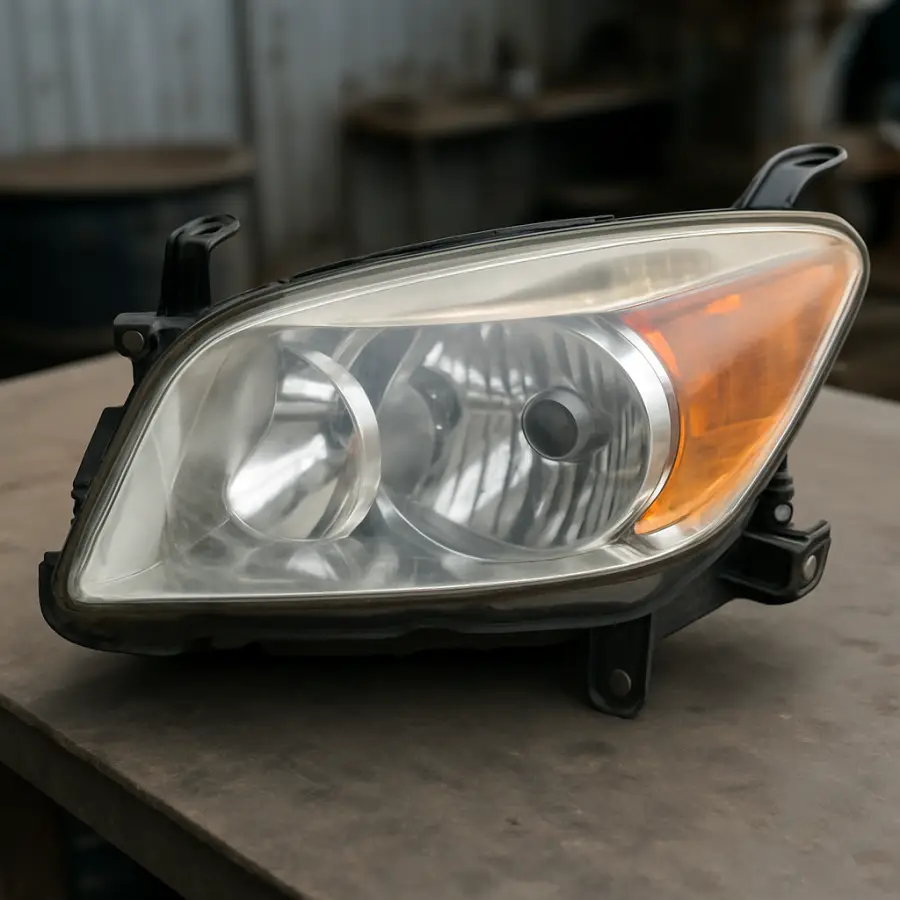
Condition is the first thing a parts buyer judges and the last thing most listings explain well. Ahlam grades every part on a simple A, B, C scale, so buyers know what they are getting and you stop guessing or arguing with a coworker over what counts as good. Here is how the system works.
What A, B, and C actually mean
The whole point of a grade is that it means the same thing every time. Three letters, three clear tiers, no maybes:
- Grade A (like new): low miles, no visible damage, often bench-tested. Prices at the top of the comp range.
- Grade B (good, usable): normal wear for its age, works as intended, minor cosmetic marks. Prices around the median.
- Grade C (rough or untested): high miles, visible damage, or sold as a core or as-is. Prices well below median, clearly labeled.
What the AI looks at in your photo
The model reads the photo for the things a buyer would: visible wear, corrosion, cracks, missing clips, and mounting damage. It then weighs what it sees against the part type and, if you enter it, the vehicle's mileage. A scuffed bumper and a scuffed alternator are not graded the same way, because cosmetics matter a lot on a body panel and very little on a charging unit.
The grade is a starting point, not a verdict. You can override it in one tap when you know something the photo cannot show, like a bench-test result or a hairline crack on the back side.
Why a consistent rubric matters
Two staff members grading by feel will never fully agree, and inconsistent grades are one of the top causes of returns and bad reviews. A fixed rubric means a Grade B from your yard reads the same on Monday and Friday, and the same to every buyer who sees it.
- Fewer returns: buyers receive what the listing promised.
- Faster pricing: the grade maps straight to a position in the comp range.
- Better reviews: an honest C beats an optimistic A that disappoints.
Grading in practice
Say you photograph a headlight assembly off a 2017 Camry. The lens is clear, the housing is intact, and the mounting tabs are unbroken, but it carries normal road haze. The AI lands on Grade B and prices it at the median of live comps. You glance at it, confirm, and it posts. The judgment that used to start a debate took about a second.
Frequently asked
Yes. The grade is a suggestion you can override in one tap. The AI reads the photo, but you know the part, so the final call is always yours.
Yes. Grade A anchors to the top of the comp range, Grade B to the median, and Grade C well below it, so condition and price always move together.
List your next part in seconds
Ahlam photographs the part, grades it, suggests a price from live comps, and posts it for you.
Try Ahlam free